
From Snowbound Looms to Sunlit Workbenches

Step into the living cadence of mountain craft as we trace Seasonal Rhythms of Making in the Julian Alps: Winter Weaving to Summer Woodwork. From hearth-warmed rooms where wool sings across the warp, to open-air benches fragrant with resin, we follow makers who tune their work to weather, daylight, and landscape. Discover how patience, material wisdom, and community traditions flourish when cold months welcome textiles and bright summers invite chisels, planes, and carving knives to shape stories from local wood.

Wool from Pastures to Warp

Local fleeces, shorn during gentler months, rest until winter offers time for careful washing, carding, and spinning. Makers cherish lanolin’s soft kiss on fingers as twist steadies into yarn, remembering specific hillsides where sheep grazed. Each skein carries traces of meadow wind and thistle, then drafts into a warp that promises structure, resilience, and the subtle spring that keeps textiles breathing through decades of winters and wanderings.

Looms Built for Snowy Nights

Compact floor looms and well-loved frame looms nestle beside stoves, their wood expanding and contracting with winter air like seasoned companions. Heddles hum, treadles answer, and pattern repeats mark time more faithfully than clocks. Some nights a herringbone suggests ridgelines seen at dawn; other nights, simple plain weave becomes luminous, revealing how steady attention can turn familiar fiber into cloth that remembers every footstep between cottage and woodshed.

Natural Dyes and Hearthside Hues

Color emerges from patient simmering and careful notes: walnut husks deepening into earthy browns, onion skins glinting amber, dried lichen whispering muted grays. Makers test skeins against snowlit windows, chasing tones that echo bark, sky, and river stones. By winter’s end, the dye journal reads like a mountain diary—temperatures, pH shifts, mordant ratios—recording tiny experiments that tint blankets and shawls with the landscape’s quiet, enduring palette.

Spring Thaw, Hands Remember Wood

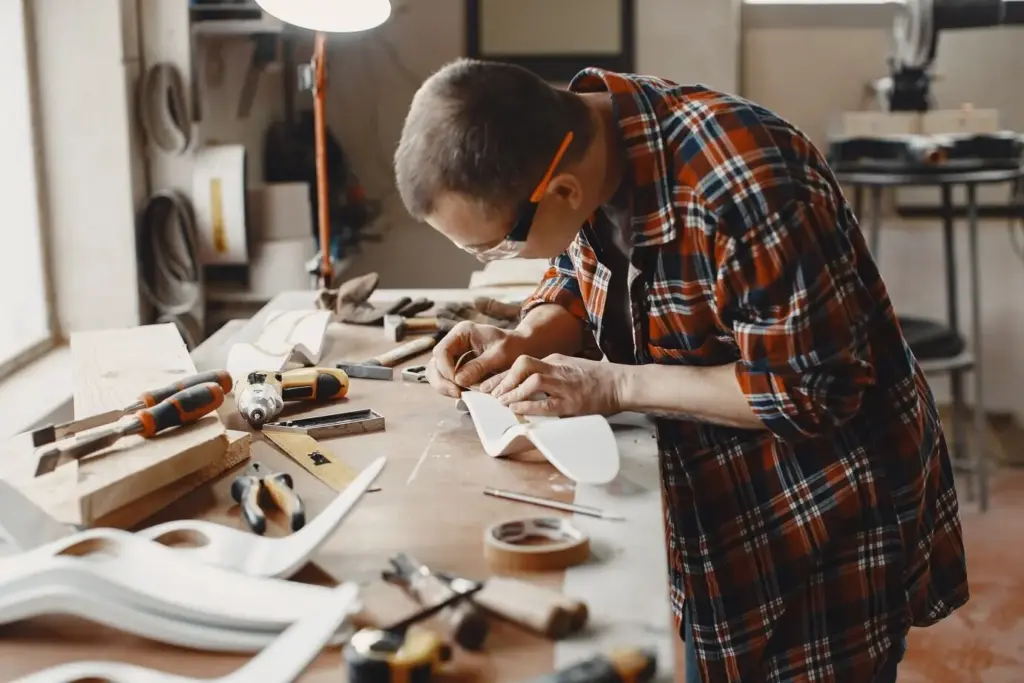
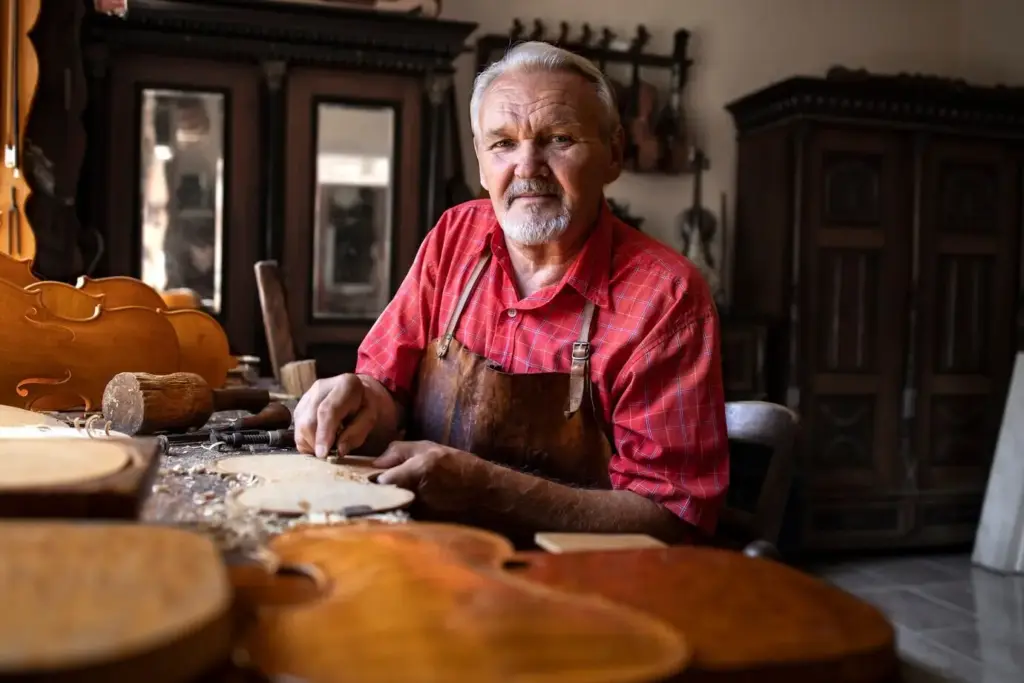
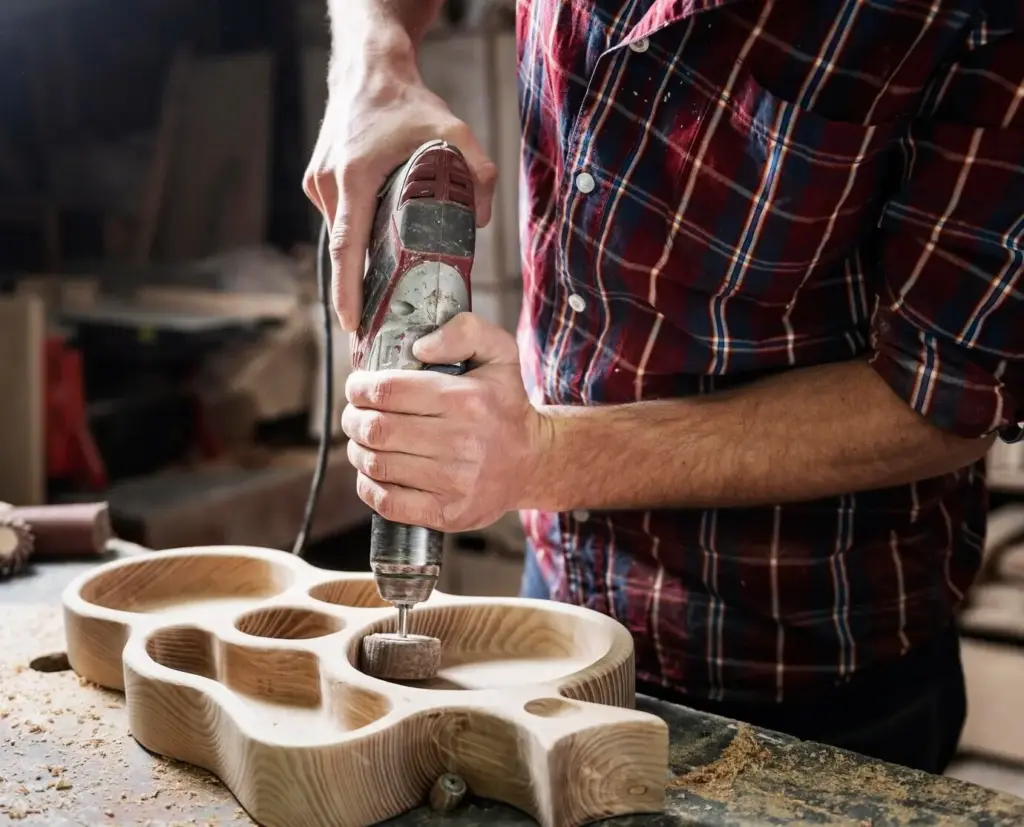
As icicles loosen and paths reappear, attention tilts toward boards stacked under sheltered eaves and logs seasoned through cold months. Workbenches, finally warm with sunlight, invite layout lines and fragrant shavings. Wood asks for slower breaths and longer glances: grain tells its own weather, knots hold stories of storms, and every tool mark promises a summer of bowls, stools, spoons, and beams ready for mountain gatherings, songs, and steady daily use.

Selecting Spruce, Larch, and Beech

Species matter more than fashion at altitude. Spruce, light and resonant, becomes instruments or nimble skis; larch, dense and durable, braves rain for cladding, shingles, and outdoor benches; beech offers tough, even fibers ideal for tool handles and turned bowls. Makers read boards like maps, steering cuts around swirls and rays, weighing function against beauty until the chosen piece fits both the season’s needs and the mountain’s patient counsel.

Seasoning and Humidity Wisdom

Winter-felled logs, low in sap, slice cleaner and dry with fewer surprises. Stacks rest on level stickers beneath breezy shelter, ends sealed to prevent checks, moisture monitored by touch, habit, and reliable meters. Come spring, boards acclimate slowly in the workshop, translating thaw into stability. By the time swifts circle rooftops, joinery fits confidently, glued or wedged with respect for fibers that will continue breathing through heat, storms, and alpine evenings.

Joinery that Breathes with Weather

Dovetails, mortise-and-tenon, and drawbored pegs are chosen not from nostalgia but necessity: alpine humidity swings reward wood-to-wood connections that flex, settle, and endure. Makers cut shoulders tight yet generous to movement, add wedges where seasons argue, and let finishes remain breathable. Cabinets open true when summer swells, stools keep their quiet confidence on stone floors, and every joint becomes a small pact between craft, climate, and time.

Stories from High Pastures

Craft here is a chorus of families, neighbors, and visitors who learned by watching careful hands. Tales rise with the fog over meadows: a shawl echoing avalanche paths, a spoon carved beside a blue-green river, a pair of wooden skis that carried someone safely home. These stories are the map and compass of making, reminding us that usefulness and beauty deepen whenever objects inherit memory, place, and kinship.

Tools Carried Between Seasons

Some tools migrate with the months, tucked into waxed-canvas rolls or baskets woven for mending and gathering. A shuttle rests beside a marking gauge; a spindle shares shelf space with chisels. Steel demands care whether rooms are dry from fires or damp from mountain storms. The best kits feel both humble and complete, built slowly through repairs, swaps, and gifts, until each handle fits the hand like an old path underfoot.

Design Language of Peaks and Meadows

In these valleys, form follows land. Triangles nod to distant summits; chevrons echo talus fans; wave lines recall river light caught under bridges at noon. Palettes arrive from lichened boulders, straw roofs, and storm-pale skies. Whether cloth or carved detail, the visual grammar prefers balance over spectacle, steadied by proportions learned from huts, hayfields, and ridge trails that teach the eye to love repetition, subtle shifts, and honest materials.

Patterns that Walk the Ridge

Twills stride like hikers, houndstooth gathers clouds, and a humble plain weave reflects quiet meadows between stone walls. Repeats are tuned like steps: long, patient, occasionally punctuated by a deliberate leap. Weavers chart drafts that feel like daybreak traverses, letting light press shadows into cloth. The result is wearable geography—blankets and shawls that sit easily on shoulders because their structures already understand wind, slope, and lingering morning chill.

Carving Lines that Catch Light

Chip-carved facets sparkle like hoarfrost at noon, while knife-sketched curves run downstream across spoon bowls and box lids. Carvers chase light, not merely shape, inviting shadows to participate in design. When the sun swings past the workshop threshold, edges announce themselves briefly, confirming every careful stroke. By evening, wax burnished by cloth returns a gentle glow, as if a small alpine window had been opened inside the wood.

Color Palettes Harvested Outside

Dye pots borrow cumin gold from last year’s straw, bark russets from wind-thrown branches, and slate blues from iron after rain. Finishes agree: thin oil, pine tar, and beeswax rather than plastic gloss, because grain should speak without shouting. The palette becomes an invitation—wearable, useful, quiet—turning everyday items into kind companions whose colors don’t tire the eye, but instead deepen with touch, weather, and generous, repeated use.

Sustainable Rhythms, Shared Futures

Care for place shapes every choice. Selective cutting respects wildlife corridors; deadwood remains where it shelters beetles and birds; sheep graze rotationally to protect fragile slopes. Makers buy close to home, repair before replacing, and teach what they know. Markets in mountain towns offer provenance, not packaging. The result is a creative economy that stays small on purpose, trusting craftsmanship, stewardship, and neighborly barter to keep both forests and households resilient.

Forest Care Guided by Generations

Winter felling, horse logging on soft ground, and careful skid trails honor soils that hold spring flowers and autumn mushrooms. Families map which stands rest, which regenerate, and which can gift a beam. Sawyers track rings to understand drought years, storms, and windfall. Milling decisions follow the wood’s own suggestions, and every leftover offcut finds use—wedges, spoons, kindling—closing loops that keep the workshop thrifty, nimble, and honest.

Wool That Honors Animal Welfare

Shepherds time shearing to weather breaks, ensuring animals dry quickly and rest with full bellies. Clean sheds and gentle handling protect fleece and flock alike. Spinners pay fairly for fine fiber; dyers avoid harsh runoff. When garments wear thin, darners return life stitch by stitch. The result is a circle of attention that values shelter, skill, and slow processes—because warmth means more when every stage respected the living source.

Community Markets and Learning Circles

On brisk mornings, stalls line village squares with yarn cakes, hand-carved utensils, and offcuts priced for practice projects. Conversations become lessons: a dye tip swapped here, a chisel angle corrected there. Workshops welcome curious neighbors and traveling hikers. We invite you to join—comment with your seasonal routines, ask questions, and subscribe for upcoming interviews and tutorials—so the circle widens and these crafts remain tangible, teachable, and joyfully shared.

Begin with a Winter Swatch

Cut a cardboard loom, warp with sturdy yarn, and practice plain weave until tension evens like breath. Add stripes echoing distant peaks, then sample twill. Keep notes on sett, weft choices, and finishing. Post your questions and photos, and we’ll respond with tips and encouragement. Every swatch is a lantern against dark evenings, proving that skill advances not by leaps but by steady, welcome steps across the room.

Carve a Summer Keepsake

Find a fresh beech or birch blank, learn safe grips, and carve a simple spoon outdoors where shavings sweeten the air. Let the grain guide the bowl; let patience shape the neck. Burnish with a smooth pebble, oil lightly, and serve something you love. Share what worked and what didn’t, and we’ll trade advice on edges, finishes, and forms. By autumn, your drawer can hold a small, proud family of spoons.
Zeravexopalozorimexo
Privacy Overview

This website uses cookies so that we can provide you with the best user experience possible. Cookie information is stored in your browser and performs functions such as recognising you when you return to our website and helping our team to understand which sections of the website you find most interesting and useful.