

Hiking the Palette of the Julian Alps

Step into a high-country studio where foraged pigments and natural dyeing from Julian Alps flora guide every experiment and story. We’ll wander meadows, riverbanks, and forest edges, then simmer fibers and precipitate lakes, pairing practical techniques with field ethics, seasonal notes, and heartfelt anecdotes inviting your own creative, mindful practice.

Respectful Harvesting Practices

Take only a little from many, never a lot from one. Leave roots undisturbed, avoid protected species, and step lightly across moss and scree. Choose fallen walnut hulls, pruned birch twigs, alder cones, and invasive weeds first, transforming removal into care while keeping ecosystems resilient for future creative visits.

Seasonal Field Notes

Spring greens yield soft yellows from birch and willow; early summer favors weld and yarrow; late summer brings bold goldenrod; autumn spills walnut browns and alder tans; winter offers wind-thrown lichens and cones. Record dates, habitats, and weather, because subtle shifts often predict hue, strength, and eventual fastness.

Safety, Laws, and Access

Before clipping anything, check local regulations, park advisories, and protected-species lists on both Slovenian and Italian sides of the Julian Alps. Forage away from roads and sprayed fields, carry gloves, and respect private land. When uncertain, photograph, identify later, and return, letting curiosity grow alongside caution and kindness.

From Plant to Pot: Dye Extraction
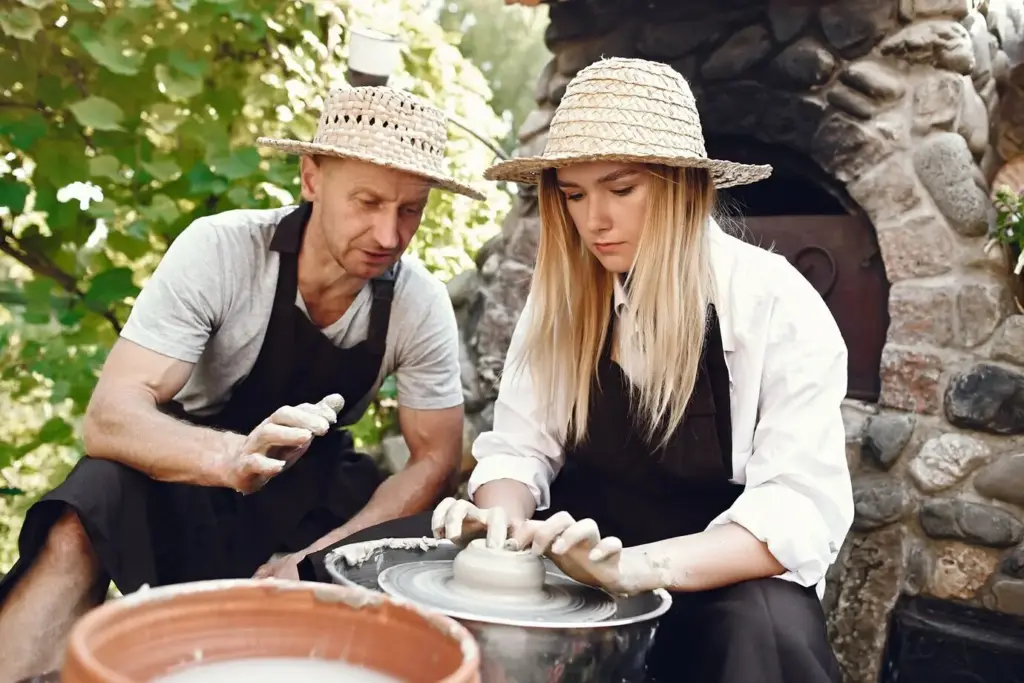
Transform gathered materials through simple, repeatable processes. Clean fibers thoroughly, measure water carefully, and heat gently to coax color without damage. Maintain clear notes on ratios, temperatures, and times, then sample small skeins or fabric squares before scaling, ensuring dependable results that honor the wild places inspiring your work.

Alpine Palette: Plants and Hues

Many familiar species shine amid glacial valleys and beech forests. Walnut hulls deepen browns, alder cones lend warm tans, weld blazes yellow, and woad builds blue. Lichens tempt purples yet demand restraint. Study abundance, habitat, and history to match intention with color, balancing beauty, durability, and stewardship.

Walnut, Alder, and Oak

Collect green walnut hulls after storms, dry them, then simmer slowly for rich browns. Alder cones darken tans and improve bite on plant fibers when paired with tannin. Oak galls offer concentrated tannins for inks and mordanting, delivering classic, earthy tones that anchor brighter accents with calm.

Weld, Goldenrod, and Birch

Reseda luteola creates luminous, lightfast yellow with alum and patience. Goldenrod delivers cheerful warmth late in the season, thriving in roadsides and river flats. Tender birch leaves give gentle springtime hues. Sample each with identical fiber preparation to compare depth, clarity, and brightness, then adjust pH for greener notes.

Woad and Lichens

Isatis tinctoria needs a patient, oxygen-controlled vat to develop blue that bonds without mordant on protein fibers. Lichens can create orchil violets, yet their slow growth requires strict restraint: use only windfall fragments. Document every vat turn, aeration, and reduction, learning reliability through respectful, methodical repetition.
Turning Dyes into Pigments

Beyond fabric, botanical color can be made into solid lakes for painting and printmaking. By precipitating colorants onto inert bases, rinsing, and drying, you transform ephemeral baths into portable powders, expanding creative options while preserving seasonal hues for future projects and collaborative workshops.

A Morning Beside the Soča

In pale light, dew glitters on river grasses while crows lift from alder branches. With a thermos, bags for windfalls, and field guides, we gather gently, noticing trout shadows and turquoise currents. Back home, gratitude infuses the simmering pot, and swatches carry memory beyond any photograph.

Designing with Earth Colors

Natural color asks for thoughtful planning. Map values and contrasts before dye day, choose fibers to match function, and reserve cloth for resists or over-dyes. Sketch patterns echoing ridgelines, river braids, and larch needles, then build collections that wear beautifully, mend gracefully, and reflect journeys across altitude.

Washing and Storage

Prefer cool water, minimal agitation, and pH-neutral detergent. Skip citrus oils that can strip color, and always rinse thoroughly. Dry flat in shade, folding with tissue to prevent creases. Note month and light conditions after each wash, building a gentle rhythm of care that preserves subtlety.

Mending with Matching Hues

Over-dye spare thread alongside projects so repairs harmonize later. Practice visible mending—running stitch, woven darns, or sashiko grids—choosing placements that reinforce stress points. New patches become maps of use, turning scuffs into contour lines, and inviting questions that reconnect garments with mountains, rivers, and shared adventures.
Zeravexopalozorimexo
Privacy Overview

This website uses cookies so that we can provide you with the best user experience possible. Cookie information is stored in your browser and performs functions such as recognising you when you return to our website and helping our team to understand which sections of the website you find most interesting and useful.